The evolution of casinos tracing the lineage of gaming establishments through history
The Origins of Gaming Establishments
The history of casinos can be traced back to ancient civilizations where gaming was interwoven with cultural practices. The earliest known gaming establishments appeared in China during the Han Dynasty (around 200 BC), featuring rudimentary forms of gambling that laid the foundation for future gaming practices. Archeological findings suggest that tiles used in a game of chance were discovered, indicating that the urge to gamble is as old as humanity itself. Today, platforms like CRN7 exemplify the evolution of this timeless attraction.

In ancient Rome, gambling was prevalent among the elite and often incorporated into social gatherings. The Romans played games similar to dice and betting on chariot races. While these establishments weren’t formalized casinos, they reflected the societal acceptance of gaming, which set the stage for the structured casinos that would emerge later. The popularity of games of chance continued to flourish as societies evolved, leading to the eventual establishment of more formal venues for gambling.
Fast forward to the Middle Ages, where gaming houses began to surface in Europe, particularly in Italy. These establishments attracted a wealthy clientele, and the games played were more organized, moving beyond mere pastimes into sophisticated social experiences. The term “casino” itself is derived from the Italian word “casa,” meaning house, and was initially used to describe small country villas where social gatherings, including games of chance, took place.
The Rise of Formal Casinos in Europe
The 17th century marked a significant milestone in the evolution of casinos with the establishment of the first official casino in Venice, Italy. The Ridotto, as it was called, opened its doors in 1638, creating a controlled environment where games could be played publicly. This venue was revolutionary as it provided a structured setting for gambling, regulating the games and ensuring fairness for participants. The Ridotto inspired a wave of similar establishments across Europe.
As the popularity of casinos grew, cities like Paris and Monte Carlo became synonymous with glamour and gaming. The Casino de Paris, established in the 18th century, was an opulent venue that catered to the affluent, offering various games, lavish décor, and entertainment. These casinos began to embody not just a place for gambling but an entire lifestyle, attracting individuals seeking not only fortune but also social status and entertainment.
The 19th century saw the emergence of iconic casinos such as the Monte Carlo Casino in Monaco, which solidified the association of casinos with luxury and exclusivity. The architectural design of these establishments became grand, featuring elaborate interiors and a focus on creating an immersive experience for visitors. This period marked the transition of casinos from mere gaming houses to architectural masterpieces that served as cultural landmarks.
The Transition to America and the Wild West
The migration of gaming culture to America brought about a unique evolution of casinos. During the 19th century, as the Gold Rush attracted thousands to the West, gaming establishments emerged in towns like San Francisco and Deadwood. The Wild West era portrayed a different side of casinos, often characterized by lawlessness and high-stakes gambling. These establishments, often simple wooden structures, featured poker tables and dice games, creating an entirely new gaming experience.
In this period, casinos began to reflect the character of the American frontier—raw, untamed, yet inviting. The allure of the gaming tables attracted individuals from various walks of life, creating an inclusive yet volatile atmosphere. The cultural representation of gambling during this time became ingrained in American folklore, with stories of legendary gamblers and high-stakes showdowns making their way into popular narratives.
The transition of casinos into more organized and regulated venues took shape in the early 20th century, particularly in cities like Las Vegas. The legalization of gambling in Nevada in 1931 catalyzed the transformation of the casino landscape in the U.S. Las Vegas began to rise as the ultimate destination for gaming, with lavish hotels and casinos that combined luxury and entertainment, thus redefining the gambling experience.
Modern Innovations in Casino Design
The turn of the 21st century ushered in a wave of modern innovations in casino architecture and design. As technology advanced, casinos began to incorporate cutting-edge features that enhance the gaming experience. The use of interactive displays, themed environments, and integrated entertainment options allowed casinos to cater to a broader audience, making gaming more accessible and engaging.
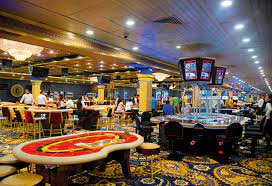
Modern casinos are designed with a focus on providing a holistic experience for visitors. Features such as high-end dining, shopping, and live entertainment have become standard, blurring the lines between a casino and a multi-faceted entertainment complex. The architectural design has also evolved to include eco-friendly initiatives, aiming for sustainability while maintaining luxury and comfort.
Moreover, online gaming has drastically changed the casino landscape, allowing players to engage in their favorite games from the comfort of their homes. The fusion of online platforms with physical casinos has created a dynamic ecosystem where traditional and digital gaming coalesce. This evolution reflects society’s changing values and preferences, ensuring the longevity of casinos in an ever-evolving entertainment industry.
Exploring the Future of Gaming Establishments
The future of casinos appears promising, with ongoing advancements in technology poised to reshape the gaming landscape. Virtual reality and augmented reality are likely to play significant roles in enhancing the gaming experience, allowing players to immerse themselves in virtual environments that mimic the thrill of traditional casinos. This innovation can attract a new generation of gamblers who seek unique experiences.
Furthermore, the global expansion of online gambling platforms presents both challenges and opportunities for physical casinos. To remain relevant, traditional establishments must adapt by integrating technology and offering unique experiences that cannot be replicated online. This evolution may include personalized gaming experiences and loyalty programs that reward players for their engagement.
As the industry continues to evolve, understanding the historical lineage of casinos will be vital in shaping their future. By appreciating the roots of gaming establishments, stakeholders can build on successful models while innovating new ways to engage with players. The rich history of casinos underscores their significance in social and cultural contexts, ensuring their place in society for generations to come.


